Roof Replacement Succasunna, NJ: Eco-Friendly Roofing Choices for Homeowners
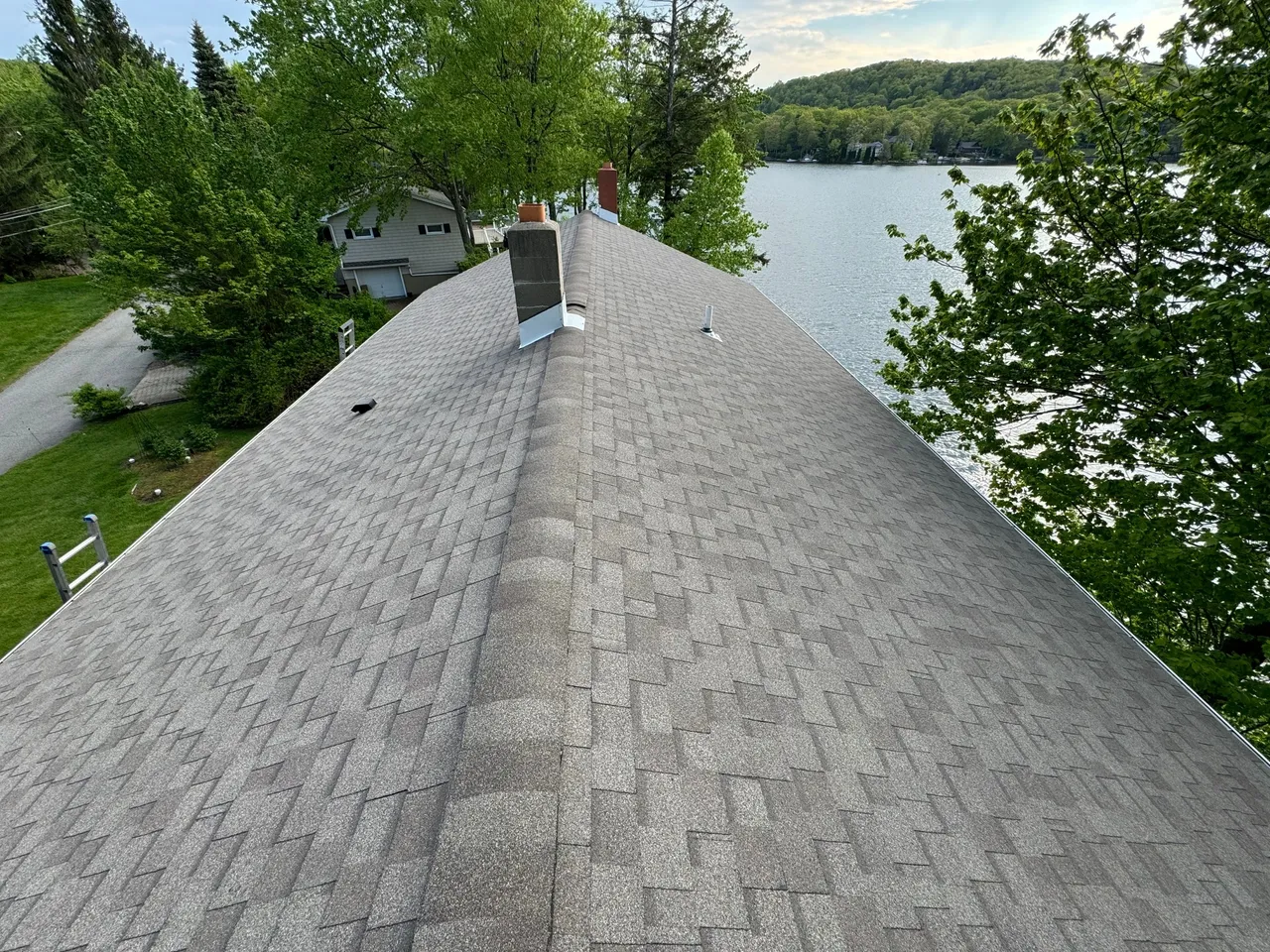
A roof replacement changes more than the look of a house. In a place like Succasunna, where homes see humid summers, winter snow, driving rain, and the occasional hard wind event, the roof affects energy use, attic moisture, ice dam risk, indoor comfort, and even how often gutters need attention. When homeowners start thinking about sustainability, the conversation usually begins with materials. That matters, but the smartest eco-friendly roof is not simply the one with the greenest label. It is the one that suits the house, the neighborhood, the budget, and the local climate, then stays in service for a long time with minimal waste and fewer avoidable repairs.
That point often gets missed. I have seen homeowners spend extra for a product marketed as environmentally responsible, only to install it over poor ventilation or aging decking. A few years later, they are dealing with premature wear, heat buildup, mold concerns, or leaks around flashing details. The most sustainable roof is the one that performs well for decades, manages water properly, and does not need to be torn off early. For anyone planning a Roof Replacement Succasunna, NJ project, eco-friendly choices start with system design, not just a product brochure.
What eco-friendly roofing really means in New Jersey
People hear “eco-friendly roofing” and picture solar panels or a bright white reflective roof. Both can make sense in certain cases, but the idea is broader than that. It includes recycled content, energy efficiency, durability, recyclability at the end of service life, responsible disposal of old materials, and reduced maintenance demands. In Morris County, it also means choosing a roof that can handle freeze-thaw cycles and shed water consistently through heavy seasonal changes.
An energy-efficient roof in Arizona does not always translate neatly to northwestern New Jersey. Cooling savings matter in summer, but so does winter performance. Darker roofs can help melt light snow faster under certain conditions, though insulation and attic ventilation usually have a bigger effect on comfort and ice dam prevention than color alone. Reflectivity can still be useful, especially on homes with strong sun exposure or second floors that run hot in July and August, but it should be weighed alongside appearance, ventilation, and the roof’s slope.
Eco-conscious homeowners also benefit from asking a blunt question early: what part of the current roof truly needs replacement? Sometimes a full tear-off is unavoidable. Sometimes one section is failing while another still has service life left. Sometimes the decking near valleys or eaves needs repair, but the structural framing is sound. Precision matters. Replacing only what needs replacing, while bringing the system up to modern performance standards, is often the most practical form of sustainability.
Start with the roof system, not the shingle sample
Roofing gets sold from the top layer down because that is what homeowners can see. In practice, performance starts underneath. Underlayment, flashing, drip edge, ventilation, ice and water protection, and deck condition all shape how “green” the final result actually is. If those elements fail, the outer material gets blamed even when the problem began elsewhere.
For homes in Succasunna, attic ventilation deserves special attention. Many older homes have a patchwork of vents added over decades, gable vents working against ridge vents, or soffits clogged with insulation. That can trap heat and moisture. Excess heat shortens the life of asphalt shingles. Excess moisture can warp decking, feed mold growth, and reduce insulation performance. A thoughtful roof replacement often includes reworking intake and exhaust so the attic can breathe properly. It is not glamorous, but it is one of the most effective ways to protect the investment and lower long-term energy strain.
Flashing details matter just as much. Chimneys, sidewalls, skylights, plumbing penetrations, and valleys are the places where otherwise solid roofs fail. When homeowners compare eco-friendly products, they should spend at least as much time asking how these details will be handled. A premium material installed with rushed flashing work is not a sustainable outcome. It is an expensive callback waiting to happen.
Asphalt shingles can still be a responsible choice
Some homeowners assume asphalt shingles are automatically the least sustainable option. That is too simplistic. Standard three-tab shingles are not the most durable product on the market, but architectural shingles have improved substantially over the years. Many contain recycled content, and some manufacturers participate in programs that support asphalt shingle recycling, depending on local processing access. More important, asphalt is often the right fit structurally and financially for homes in established New Jersey neighborhoods.
If a homeowner can afford a quality laminated shingle with a strong warranty, proper ventilation upgrades, and a full tear-off that corrects hidden problems, that can be greener in real terms than stretching for a boutique material while cutting corners on installation. I have seen plenty of midrange roofs outperform supposedly premium systems simply because the attic airflow, flashing, and water management were handled correctly.
Color selection also plays a role. A lighter architectural shingle can reduce attic heat gain compared with a very dark one, though the difference is not always dramatic on well-insulated homes. It can help on houses with finished upper floors or bonus rooms that tend to overheat. The effect varies with orientation, tree cover, insulation depth, and air sealing. Homeowners should expect modest gains, not miracles.
For many families planning Roof Replacement Succasunna, NJ work, asphalt remains the best balance of cost, durability, appearance, and repairability. It becomes more eco-friendly when paired with good ventilation, accurate installation, and responsible tear-off disposal.
Metal roofing offers durability, but not every house wants it
Metal roofing has a strong environmental case. It often contains recycled material, it is fully recyclable at the end of its service life, and it can last much longer than many asphalt systems. Properly installed metal also sheds snow effectively and stands up well to weather exposure. For some homes, especially those with simple rooflines and owners planning to stay long term, metal can be an excellent investment.
Still, it is not a universal answer. Cost is the obvious hurdle, but there are others. Noise concerns are often overstated, since modern assemblies with solid decking and insulation are far quieter than many people assume, yet aesthetics matter more than brochures admit. A sleek standing seam roof looks fantastic on some homes and out of place on others. On very complex roofs with many dormers, valleys, and penetrations, installation gets more intricate and expensive. Small detailing mistakes can be costly.
There is also a practical issue homeowners do not always think about until after the first storm: snow movement. Metal roofs can release snow in sheets. In the right setup, snow guards manage this well. Without them, you can end up with dangerous piles near walkways, lower roofs, or landscaping. That does not make metal a bad choice. It simply means the system needs to be designed for the house and site conditions.
For homeowners who want longevity and recyclability, metal deserves a close look. It is especially attractive when the budget supports higher upfront cost in exchange for fewer future replacements.
Recycled and composite roofing can work, with careful vetting
Composite shingles and synthetic slate or shake products often appeal to homeowners who like the look of traditional materials but want lower maintenance or recycled content. Some are made partly from reclaimed plastics and rubber. Others focus more on impact resistance or lighter weight than on recycled inputs. The category is broad, and quality varies more than many homeowners realize.
This is where marketing can get ahead of reality. A product may sound ideal on paper, but local track record matters. How has it performed through ten or fifteen New Jersey winters? How does it handle thermal movement, ultraviolet exposure, and wind-driven rain? Are replacement pieces easy to source years later if one panel gets damaged? Does the manufacturer have a stable reputation, or is the warranty stronger on paper than in practice?
When synthetic products are good, they can be very good. They reduce structural load compared with natural slate, avoid some of the maintenance demands of wood shake, and often deliver a longer service life than conventional shingles. But I would not recommend selecting them without seeing installed examples that have aged in a climate similar to Succasunna’s.
Wood shakes and natural slate bring character, but each has trade-offs
Homeowners drawn to natural materials often ask about cedar shakes or real slate. Both can be beautiful. Both also require honest expectations. Cedar Roof Replacement Succasunna, NJ Royalty Exteriors has a natural appeal and renewable-material story, but in a humid, freeze-thaw climate it needs attentive maintenance and proper detailing. It can weather unevenly, absorb moisture, and in some cases face local code or insurance considerations related to fire resistance. Unless the owner is committed to upkeep, cedar is not automatically the greener option just because it starts from a natural material.
Natural slate, by contrast, is exceptionally durable. On the right structure, a slate roof can outlast several cycles of asphalt replacement. That longevity is a major sustainability advantage. The challenge is weight, cost, and specialized installation. Not every home can support it without structural work. Repairs also require a contractor who truly understands slate, not just general roofing. I have seen otherwise excellent crews mishandle slate details because it is a different craft.
For historic homes or homeowners focused on very long service life, slate can make environmental sense. But it demands a realistic budget and the right house to carry it.
Solar compatibility matters even if you are not ready for panels
A surprising number of homeowners replace a roof and then think about solar two or three years later. That sequence can work, but only if the roof was planned with solar in mind. Penetrations, panel layout, obstructions, and remaining service life all matter. No installer wants to mount solar onto a roof that will need major work halfway through the panel lifespan.
During a Roof Replacement Succasunna, NJ project, it makes sense to assess solar readiness even if panel installation is still down the road. Orientation is part of the equation, but so are shade patterns from mature trees, chimney placement, and available roof area. South-facing sections are often ideal, though east-west arrays can still be worthwhile. A roof with fewer obstructions is easier to use efficiently.
It is also worth thinking about the roofing material beneath future panels. Metal and high-quality architectural shingles are both common pairings with solar. The key is making sure flashing details and mounting methods are coordinated so there is no confusion later about warranties or leak responsibility. Planning ahead costs very little. Retrofitting after the fact can be far more frustrating.
Ventilation and insulation do more for sustainability than most people expect
Homeowners sometimes chase the perfect roofing material while ignoring the attic. That is a mistake. If the attic floor is under-insulated, if penetrations are leaking conditioned air, or if soffit intake is blocked, the home may stay inefficient no matter what roofing product is installed.
A roof replacement is one of the best times to evaluate the whole assembly. When decking is exposed, problem areas become easier to spot. Signs of chronic moisture, dark staining, rusted nails, and delaminating plywood often point to ventilation imbalance or air leakage from the living space below. Correcting those issues can improve comfort more than a simple material upgrade.
In practical terms, homeowners often see the best results when they combine roofing work with attic air sealing and insulation review. A house with a properly vented attic and sufficient insulation tends to have more even temperatures, lower stress on HVAC equipment, and less risk of winter condensation. That is sustainability you can feel in daily life, not just on paper.
Tear-off, disposal, and waste reduction deserve attention
An eco-friendly roof should also consider what comes off the house. Full tear-offs generate a lot of debris, especially on older homes with multiple layers. Some contractors still default to the quickest disposal path without discussing recycling or material separation. Homeowners who care about environmental impact should ask direct questions about how waste will be handled.
Here are the most useful questions to raise before signing a contract:
- Will the old roofing be evaluated for recycling options where available?
- Is this a full tear-off, and if so, how many layers are being removed?
- Will damaged decking be replaced only as needed, or is broad replacement assumed?
- How will the crew protect landscaping, driveways, and gutters during removal?
- What steps will be taken to reduce stray nails and jobsite debris?
Those questions do not guarantee a low-waste project, but they reveal how organized and transparent the contractor is. A crew that can explain disposal, protection, and repair allowances clearly is usually better prepared overall.
The price question, and why the cheapest roof often costs more
Budget always enters the room. That is sensible. Roofing is one of the larger home maintenance expenses, and costs vary widely depending on size, pitch, complexity, material, and hidden repairs. Eco-friendly options can increase upfront pricing, but not always as dramatically as homeowners fear. Sometimes the difference comes less from the material itself and more from the level of detail built into the proposal.
A cheaper bid may skip ventilation upgrades, use lighter accessories, or understate the amount of flashing work required around chimneys and walls. It may assume minimal decking replacement on a roof where rot is likely near eaves or valleys. That can make the proposal look attractive until change orders begin. I have seen homeowners accept the lowest bid, then spend the next several years paying for fixes that should have been handled during the initial replacement.
Value comes from expected service life, repair frequency, energy performance, and how well the system protects the home. A roof that costs more at installation but lasts significantly longer, reduces attic heat buildup, and avoids leak-prone shortcuts may be the less expensive choice across twenty or thirty years.
Matching roofing choices to common homeowner priorities
Different families define “best” differently. The ideal roof for a retired couple planning to stay for decades may not be the best choice for a young family balancing school costs and home maintenance. It helps to decide what matters most before comparing products.
A simple framework can clarify the decision:
| Priority | Often the strongest fit | What to watch for | | --- | --- | --- | | Lowest upfront cost with solid performance | Architectural asphalt shingles | Do not skimp on ventilation or flashing | | Long lifespan and recyclability | Metal roofing | Higher initial cost, snow management details | | Traditional upscale appearance without slate weight | Quality composite or synthetic products | Verify long-term local performance | | Historic authenticity and extreme longevity | Natural slate | Structural capacity and specialist installation | | Natural texture and character | Cedar or wood-look alternatives | Maintenance demands and moisture exposure |
That kind of comparison keeps the conversation grounded. Homeowners rarely need the most advanced product on the market. They need the roof that best aligns with their house and their priorities.
How local conditions in Succasunna influence the decision
Succasunna homes range from older colonials and ranches to newer builds and expanded properties with more complex roof geometry. Tree cover is common in many neighborhoods, which affects shade, moss risk, debris accumulation, and drying time after storms. A heavily shaded roof may benefit less from reflective features and may need more attention to algae resistance and ventilation. Homes with broad sun exposure on upper-story bedrooms may gain more from lighter-colored materials and attic improvements.
Winter performance is another local factor. Snow load concerns vary by design, but ice at the eaves is a recurring issue when warm attic air escapes and melts roof snow unevenly. People often blame the shingles when the real problem is inadequate air sealing, insulation gaps, or poor ventilation. A roof replacement is the right moment to deal with the root cause.
Storm resilience matters too. Even when a roof survives a storm, repeated exposure to wind-driven rain tests flashing and underlayment quality. In this region, details that keep water moving off the roof cleanly are not optional extras. They are part of responsible design.
Choosing the right contractor is part of choosing the right roof
The greenest product in the catalog means very little in the hands of an average installer. Craft matters. So does communication. Homeowners should look for a contractor who can explain why a certain material fits the house, what ventilation changes are recommended, how hidden deck damage will be priced, and how the crew handles cleanup and disposal. Vague answers are a warning sign.
Good roofing contractors also talk plainly about trade-offs. They do not pretend every premium option pays for itself. They point out when a complex roofline makes a certain material less practical. They tell you if your attic setup is likely to shorten the life of any roof unless corrected. That kind of candor is worth a lot.
A useful sign of professionalism is whether the conversation goes beyond shingles. If a contractor spends the whole appointment on color samples and warranty language without discussing intake ventilation, flashing conditions, drainage paths, and the age of the decking, the proposal may be too superficial.
A better roof is usually a quieter one
There is an understated benefit to eco-friendly roofing choices done well: the house feels steadier. Rooms under the roofline stay more comfortable. The attic is less extreme in summer. Winter drafts and temperature swings often ease. You stop thinking about that stain near the chimney after every hard rain. Those are quality-of-life gains, not just line items.
For homeowners considering Roof Replacement Succasunna, NJ services, the smartest sustainable path is usually not flashy. It is a careful blend of durable materials, proper ventilation, thoughtful waste handling, strong flashing work, and choices that fit the home’s real conditions. Done that way, a roof replacement becomes more than maintenance. It becomes one of the most practical environmental upgrades a homeowner can make.
Royalty Exteriors
151 NJ-10 Suite 103A, Succasunna, NJ 07876, United States
+1 973-333-7234
FAQ About Roof Replacement Succasunna, NJ
What are signs a roof needs replacing?
Widespread shingle deterioration, repeated leaks, or damaged decking can point to a larger problem. A roofer can inspect the roof covering, flashing, and deck to determine whether the damage is localized or whether replacement makes more sense.
How long does it take to reroof a 2000 square foot house?
Royalty Exteriors estimates one to three days for many single-family roof replacements. A house’s floor area does not tell you the actual roof area. Pitch, roof features, weather, and any decking repairs can change the schedule.
How long should a roof last in NJ?
There is no single lifespan for every roof. Material, installation quality, attic ventilation, maintenance, and exposure to storms all affect how long a roof remains serviceable. An inspection can help you assess its condition and plan for replacement.