Roof Repairs After Tree Damage: Immediate Steps to Take
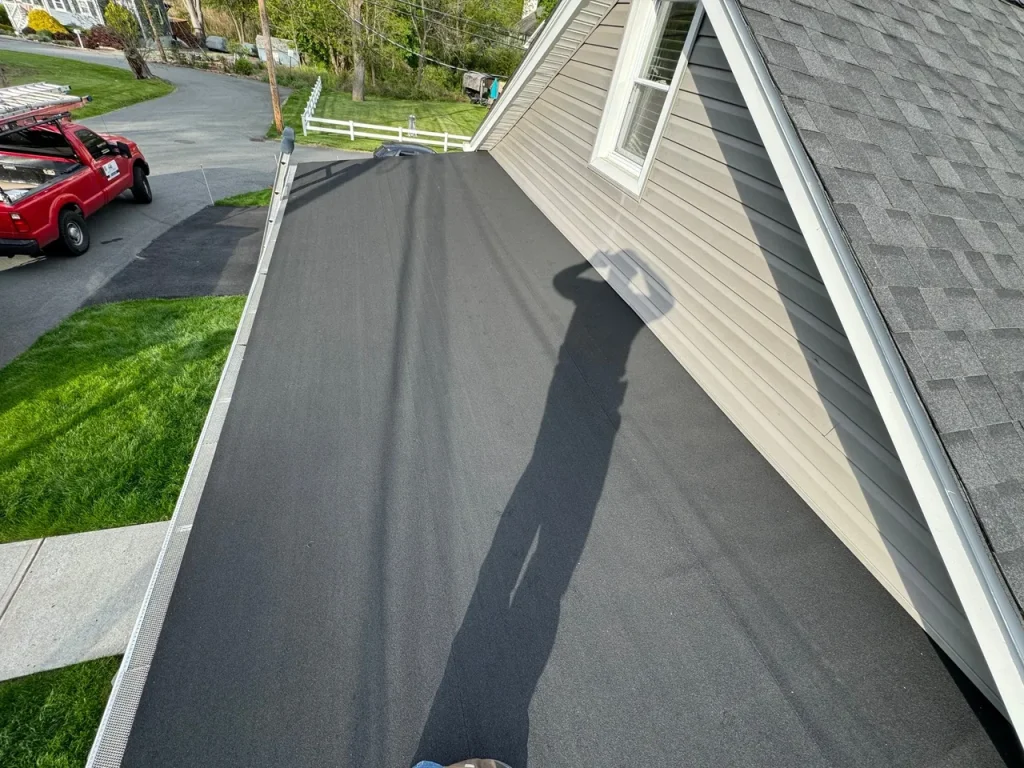

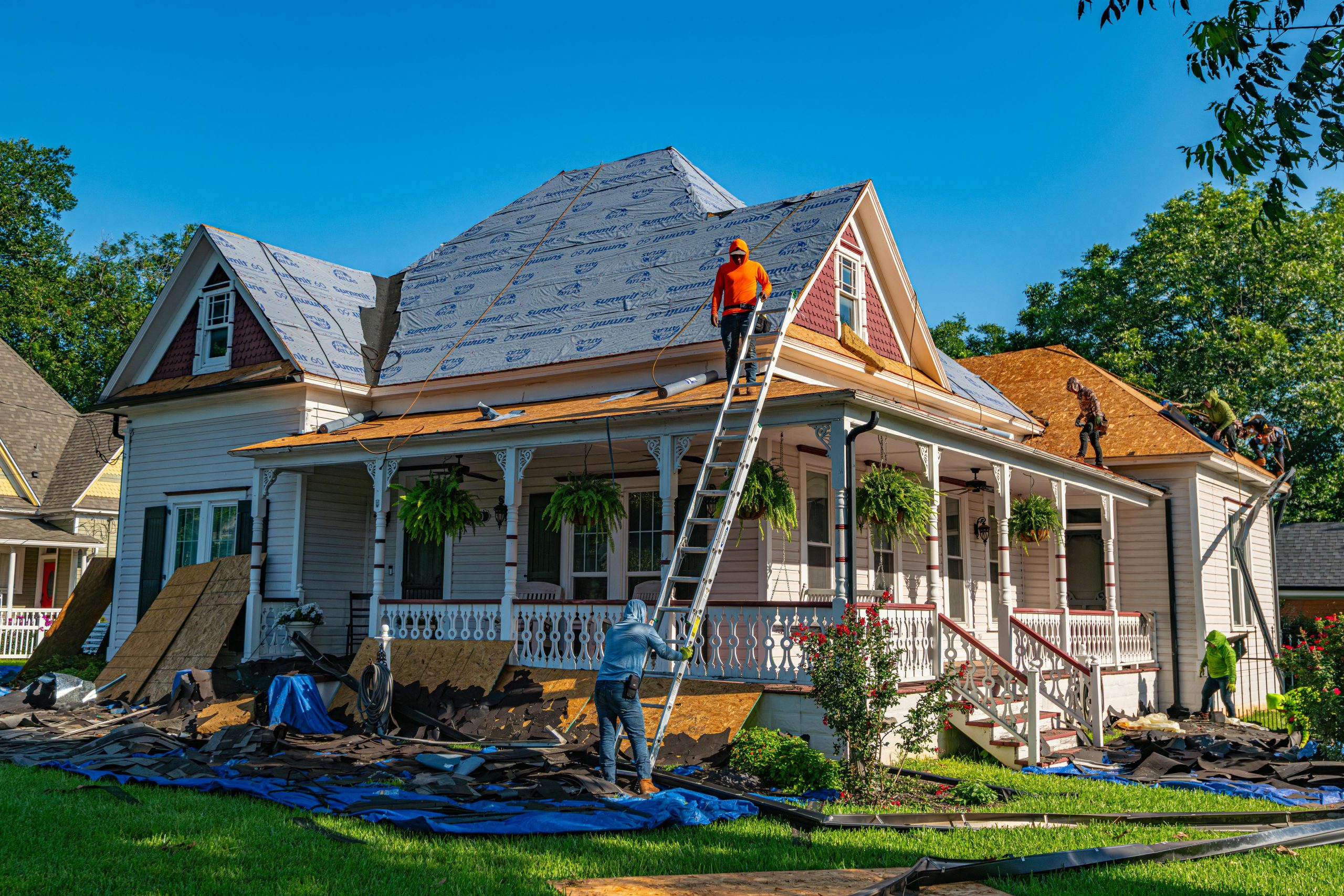
A tree can do a surprising amount of damage in a matter of seconds. Sometimes it is dramatic, a full trunk punching through the roof deck and into a bedroom. More often, the damage is less obvious at first glance. A heavy limb scrapes off shingles, crushes flashing, cracks a ridge vent, or drives a puncture through one section of the roof while shifting load into another. In both cases, the biggest mistakes usually happen in the first few hours. People rush up a ladder too soon, assume the damage is only cosmetic, or wait too long to stop active water intrusion.
When tree damage hits a roof, the right response is part safety, part damage control, and part documentation. Roof repairs after a storm or falling limb are rarely just about replacing a few shingles. Water can migrate into insulation, drywall, framing, and electrical systems long before the leak is visible indoors. A branch that looks small from the yard can crack rafters or loosen decking enough to create problems weeks later.
The first priority is protecting people. The second is preventing the damage from spreading. The third is setting up the repair process so you are not paying twice for a preventable issue.
The first few minutes matter more than most homeowners realize
Tree-related roof damage often happens during storms, high winds, ice events, or saturated ground conditions. That means the environment around the house may still be unstable after impact. I have seen situations where the first branch caused the obvious hole, but a second damaged branch hanging overhead was the greater danger. Homeowners focused on the roof and missed what was still moving in the canopy.
If a tree or large limb has struck your home, assume the structure may be compromised until someone qualified says otherwise. That does not mean panic. It means avoid shortcuts. Keep people and pets away from the affected area, especially rooms directly below the impact and exterior zones near leaning trunks, split limbs, or downed wires. If you smell gas, hear buzzing near service lines, or see sparking, leave immediately and call emergency services and your utility provider.
A damaged roof can still look mostly intact from the driveway. Shingles hide a lot. Underlayment hides more. The force of impact can travel beyond the visible strike point, especially on older roofs or homes with previous repairs.
Immediate actions to take before any roof repairs begin
If the scene is safe enough to remain on the property, focus on stabilization and documentation before thinking about permanent roof repairs.
- Keep everyone out of the damaged area, inside and outside. If a branch has penetrated the roof, avoid the room below and adjacent rooms until a professional checks structural safety.
- Call emergency services or the utility company if there are downed power lines, gas odors, fire risk, or a tree blocking access.
- Document the damage with photos and video from the ground, including interior ceiling stains, debris, broken windows, gutters, siding, and the tree itself.
- Contact your homeowners insurance carrier promptly and ask about emergency mitigation, temporary tarping, and claim procedures.
- Arrange temporary protection, usually tarping or water diversion, but only through safe methods and qualified help if roof access is risky.
Those five steps sound straightforward, but each has a practical layer that gets overlooked. Taking photos, for example, should not mean walking under a compromised overhang to get a better angle. Ground-level photos, shots from across the yard, and interior images are enough to start the claim. If weather is still active, a short video showing active drips, ceiling bubbling, or water running down a wall can be useful later when the visible evidence changes.
Do not climb onto the roof just because the rain has stopped
This is one of the costliest decisions homeowners make after tree damage. A roof can be structurally unsafe even when it appears walkable. Decking may be fractured below intact shingles. Trusses or rafters may be stressed. Wet surfaces, granule loss, and loose debris make footing unreliable. Add a tarp, a ladder, and urgency, and you have the recipe for a second emergency.
Professional roofers and emergency mitigation crews assess these sites differently. They look at the angle of impact, the age of the roof, sagging along ridges or eaves, compression around vents, displaced sheathing, and signs that water has spread beneath the surface. They also use proper fall protection and know when not to step in a certain area. That judgment matters.
If the only issue is a small branch that scraped shingles and there is no puncture, no sagging, and no signs of structural damage, some homeowners are tempted to do a quick patch. I still advise caution. What appears to be a minor shingle problem can include bent flashing or torn seal strips that do not show themselves until the next wind-driven rain.
How to limit water damage while you wait for help
Stopping water intrusion quickly can save thousands of dollars. Drywall, insulation, hardwood flooring, cabinetry, and electrical fixtures all become more expensive to restore the longer they stay wet. Mold growth is another concern, especially in warm or humid conditions where moisture remains trapped in attic insulation or behind painted surfaces.
Inside the house, the goal is containment. Move furniture, electronics, rugs, and valuables away from the leak path. Use buckets or storage totes to catch active dripping. If the ceiling is bulging with trapped water, that can indicate pooled moisture above the drywall. Sometimes a restoration crew will release that water in a controlled way to prevent a wider collapse, but this is best left to someone who can assess whether electrical hazards are present and whether the ceiling material is under significant load.
Attics deserve special attention. If it is safe to enter, and only if there is no sign of electrical danger or structural movement, a contractor may place temporary plastic sheeting or redirect drips into containers. Wet insulation should not simply be ignored. Fiberglass loses effectiveness when soaked, and cellulose can hold moisture against framing. Even if the visible leak seems small, attic materials may already be saturated several feet beyond the entry point.
Temporary tarping from the exterior is often necessary, but it must be done correctly. A badly secured tarp can funnel water under shingles, tear in the next gust, or create liability if it blows off. Good emergency tarping is not glamorous work, but it can buy time and preserve the interior while insurance and Roof Repairs roof repair plans are sorted out.
Insurance moves faster when your documentation is organized
Claims after tree damage tend to involve several moving parts. There may be coverage questions about tree removal versus roof repairs, interior damage versus exterior damage, and whether a fence, shed, or detached garage was also affected. The cleaner your records, the easier those conversations go.
Keep a running file with photos, dates, names, and receipts. If you pay for emergency tarping, hotel stays, debris removal, or water mitigation, save every invoice. Ask contractors to describe emergency work clearly. “Installed reinforced tarp over puncture at rear slope to prevent active intrusion” is more useful than “temporary roof patch.” Specific language helps both you and the adjuster understand what was done and why.
It also helps to photograph the tree from multiple angles before it is fully removed, provided it is safe to do so. The size of the limb, the point of impact, and the way the tree failed can all become relevant later. Sometimes the roof damage is obvious but the cause becomes harder to prove once cleanup is finished.
Where homeowners often underestimate the scope of roof repairs
A branch through shingles Roof Repairs is the visible part. The hidden part is where the real repair scope usually develops. A proper assessment may involve replacing damaged shingles, underlayment, decking, flashing, vents, fascia, gutters, insulation, and sections of interior ceiling. If the impact reached framing, carpentry work may be needed before any roofing material goes back on.
There is also the issue of matching. On a newer roof, spot repairs may blend reasonably well. On an older roof, even if the repair area is technically small, the replacement shingles may not match in color, texture, or thickness. If the existing shingles are discontinued, sun-faded, or brittle, patching one slope can leave the home looking pieced together and may affect resale appeal. In some cases, partial replacement is sensible. In others, especially when the roof was already near the end of its useful life, a larger section or full replacement may be the more durable and more economical choice over time.
This is where judgment matters. I have seen homeowners push for the cheapest patch possible because the hole seemed isolated. Six months later, they were dealing with recurring leaks around disturbed flashing and had to reopen the same area. The first repair was not wrong, exactly. It was just too narrow for the actual damage pattern.
Choosing the right contractor after tree damage
Emergency conditions attract fast talkers. After major storms, trucks appear quickly, and some crews are excellent. Others are there to collect deposits and disappear. Tree damage puts homeowners in a vulnerable position because they need help immediately but do not always have time to research.
A good contractor does not need to create panic. They should be able to explain what is urgent, what is precautionary, and what can wait until the roof is dry and fully inspected. They should also separate emergency mitigation from permanent roof repairs in a way that makes sense on paper.
Here are the questions worth asking before authorizing substantial work:
- Are you licensed and insured for both roofing work and any necessary structural repair coordination in this area?
- Will you provide a written scope that distinguishes temporary protection from permanent roof repairs?
- What hidden damage do you commonly find after tree impact, and how do you document it if discovered during tear-off?
- How will you protect landscaping, gutters, siding, and interior spaces during the repair?
- If insurance is involved, who communicates changes in scope when damaged decking or framing is uncovered?
Notice what is not on that list. Price alone. Cost matters, of course, but tree damage work is not a commodity purchase. The lowest estimate may exclude decking replacement, disposal, flashing work, or interior protection. A detailed estimate is often more valuable than a cheap one.
Temporary repairs versus complete repairs
There is a difference between making the house dry and making it whole. Homeowners under stress often blur those two stages. A tarp, patch, or exposed-fastener repair may stop active leaking, but it is not the same as a finished roof system restored to proper standards.
A complete repair should address all damaged layers, not just the top surface. That usually means verifying the condition of the roof deck, replacing compromised underlayment, restoring flashing details around penetrations and walls, and making sure the repaired section ties back into the existing roof without creating weak transition points. If vents or ridge caps were displaced, those need proper reinstalling as well. Gutters and downspouts matter more than people think here, because impact can alter drainage paths and send runoff where the roof was never designed to handle it.
For asphalt shingle roofs, matching manufacturer specifications is important. For metal roofs, tree damage can be trickier than it looks, because dents may seem cosmetic but panel seams, fasteners, and protective coatings can be affected. Tile and slate bring another layer of complexity. A fallen branch may crack only a handful of visible pieces while transmitting force that loosens others nearby. Flat roofs are their own category again, especially if punctures allow water to travel laterally between layers before showing up inside.
The role of a tree service in the repair process
Roof repairs and tree removal overlap, but they are not the same trade. A skilled arborist or tree service can remove the tree safely without causing additional damage. That distinction matters. Improper removal can turn a repairable roof event into structural collapse.
If a large limb is resting on the house, the sequence of removal should be coordinated with the roofing or restoration team when possible. Cutting weight off in the wrong order can shift pressure suddenly. In complex cases, a crane may be safer than manual dismantling. That sounds expensive, and it can be, but the alternative is sometimes far more costly if the tree rolls, slides, or tears a larger opening.
Once the tree is off, the roof often looks worse than it did before removal. Homeowners are sometimes alarmed by that, but it is not necessarily a sign that removal was mishandled. The branch may have been masking crushed decking or bent framing that only became visible afterward.
Interior damage should not be treated as secondary
Many people focus all attention on the roof surface and forget that the water path inside the home can become a separate restoration project. A leak above a hallway may stain a ceiling in one place while actually entering through decking several feet upslope. Water follows gravity, but it also follows framing, wiring, insulation, and any opening available to it.
Paint bubbling, swollen baseboards, soft drywall, warped flooring, and a musty smell in the days after the event all deserve attention. If the attic got wet, a moisture meter inspection can help identify areas that still need drying even after the visible leak stops. This matters because some of the most frustrating post-storm callbacks involve not the roof itself, but secondary damage that was not fully dried or documented early enough.
If you have recessed lights, ceiling fans, or attic electrical junctions near the leak area, mention that immediately to anyone evaluating the site. Electricity and moisture do not always create obvious symptoms right away. Caution beats guesswork.
When a repair is enough, and when replacement is the better call
Homeowners understandably want to know one thing fast: can this be repaired, or is this heading toward replacement? The answer depends on age, damage spread, material type, and what is uncovered once work begins.
A roof that is five years old with localized puncture damage may be an excellent candidate for targeted roof repairs, assuming matching materials are available and the surrounding system is still sound. A roof that is twenty years old, brittle, and already patched in multiple areas may technically be repairable, but not wise to repair narrowly. Spending heavily on one section of a failing roof can become a sunk cost if another section starts leaking next season.
The cleanest decisions usually come from combining three realities: how damaged the impacted area is, how much service life the rest of the roof has left, and whether the repair will create a reliable, warrantable assembly. Homeowners do not always hear the third point clearly enough. Reliability matters more than simply closing the hole.
Timing affects cost more than people expect
Fast action usually reduces total repair cost, but “fast” does not mean rushed decisions. It means immediate mitigation, prompt inspection, and no unnecessary waiting while water continues to intrude. Every rain event that reaches exposed decking or open insulation adds labor, material, and uncertainty.
Season matters too. In cold weather, some roofing materials are harder to seal properly. In very hot weather, workers may need to stage work carefully to avoid damaging softened shingles. After region-wide storms, labor availability tightens, emergency tarp crews book out, and material lead times can stretch. That is another reason to start the process quickly, even if the permanent repair cannot begin the same day.
The best outcome comes from a calm, methodical response
Tree damage creates urgency, but the homeowners who fare best are usually the ones who slow down just enough to make good decisions. They secure the area, document the damage, stop active water intrusion, and bring in qualified people for both tree removal and roof repairs. They do not let a temporary patch stand in for a full solution, and they do not assume the problem ends once the branch is off the house.
A roof is a system, not just a surface. When that system takes a direct hit from a tree, the visible wound is only part of the story. Handle the first hours well, and you give yourself the best chance of limiting structural damage, preserving your insurance claim, and getting repairs that truly restore the home rather than merely covering the damage.
Royalty Exteriors
151 NJ-10 Suite 103A
Succasunna, NJ 07876, United States
+1 973-333-7234
FAQ About Roof Repairs
Can you fix a roof leak without replacing the whole roof in Succasunna,NJ?
Often, a localized leak can be repaired without replacing the entire roof, depending on its cause and the condition of the surrounding materials. Damaged shingles, flashing, or a roof penetration may need targeted work. Royalty Exteriors offers roof repairs for leaks, storm damage, and shingle issues. An inspection is needed to determine the appropriate scope.
What is considered a minor roof leak?
A leak may be considered minor when the damage is limited to a small area and the surrounding roofing remains sound. A small ceiling stain alone does not establish the extent of the problem because water can travel before becoming visible. Have the source and any concealed damage assessed promptly.
Is it better to repair or replace a leaky roof?
The decision depends on the roof's age, overall condition, leak source, extent of damage, and history of previous repairs. A localized problem on an otherwise serviceable roof may be suitable for repair. Widespread deterioration or recurring leaks may justify considering replacement. Ask for an inspection and a written explanation of the recommended work before deciding.