Choosing the Right Materials for Lasting Roof Repairs

A roof rarely fails all at once. More often, it starts with a stain on a ceiling corner, a lifted shingle after a windstorm, a bit of daylight in the attic, or granules collecting in the gutter. By the time most homeowners notice a problem, the real question is no longer whether to repair it, but how to repair it in a way that lasts.
That is where material choice matters. Good roof repairs are not just about covering the leak. They are about restoring the roof system so it can handle water, movement, temperature swings, and age without opening up again six months later. In practice, the wrong repair material usually fails at the edges. A patch separates. A sealant shrinks. A metal flashing corrodes against the roof around it. A beautiful repair on paper becomes a callback in the next hard rain.
Choosing the right materials means looking beyond the damaged spot. You need to understand the roof type, the age of the existing materials, the local climate, the slope, the way water moves across the surface, and how each component interacts with the next. The goal is not the cheapest fix or the fastest fix. The goal is a repair that behaves like part of the original roof, or better.
Start with the roof system, not the symptom
One of the most common mistakes in Roof Repairs is treating the visible damage as the whole issue. A cracked shingle might be the result of age, heat, poor attic ventilation, or fastener problems underneath. A leak around a vent pipe might seem like a failed boot, but sometimes the surrounding shingles have become brittle enough that replacing the boot alone causes more breakage.
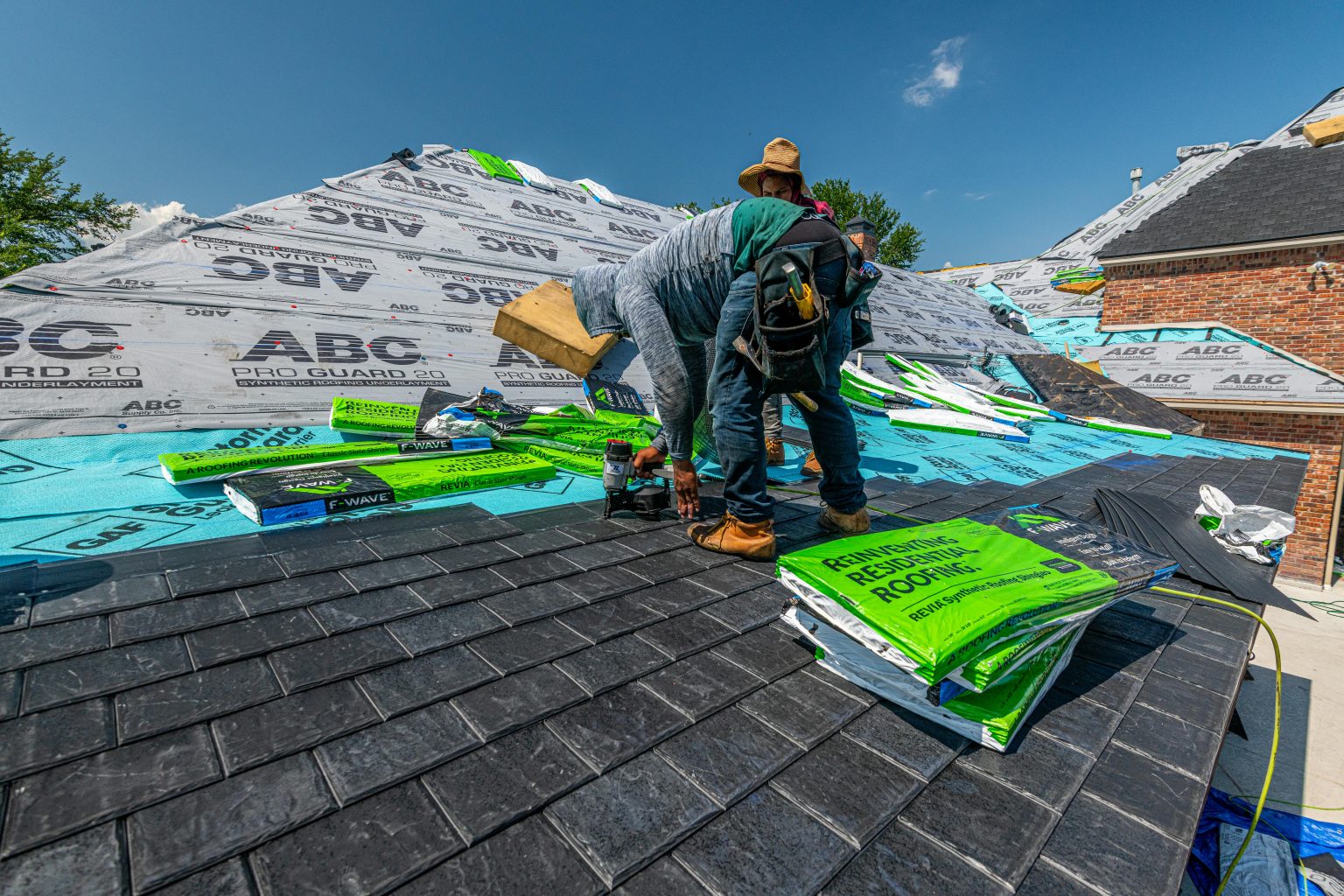
A roof is a layered system. The outer covering takes the weather, but underlayment, flashing, decking, sealants, fasteners, and ventilation all play a role. When choosing repair materials, each layer matters. If you match the surface material but ignore what is beneath it, the repair may look correct while still allowing water in.
I have seen this with low-slope sections attached to otherwise steep roofs. Someone patches the membrane with a general-purpose roofing cement because that is what they have on hand. It holds for a season, then softens in heat, cracks in cold, and traps moisture below. The repair fails not because patching was a bad idea, but because the material was not right for that roof assembly.
Matching the existing roofing material
The best repair material is often the one that is compatible with what is already there, but compatibility is more specific than appearance. Color matters for curb appeal, yet performance depends on composition, fastening method, thickness, and the way the roof expands and contracts.
Asphalt shingles, for example, vary more than many homeowners realize. Architectural shingles are thicker than standard three-tab shingles. Different brands can have slightly different exposure lines, sealant placement, and nailing zones. If a repair crew cannot source an exact match on an older roof, the next best option is usually a product with similar dimensions and wind rating, installed where transitions are least visible. Even then, a perfect visual blend may be impossible if the old roof has faded for ten or fifteen years in the sun.
Tile roofs create another set of challenges. Concrete and clay tiles differ in weight, water absorption, and brittleness. Swapping one for the other without considering load and profile can create problems. Reclaimed tiles are often the best option for repairs on older roofs because they match both color and weathering better than new stock. But reclaimed material has to be inspected carefully. Hairline cracks or soft edges may not be obvious from the ground.
Metal roofing repairs are even less forgiving. The metal type matters. Steel, aluminum, copper, and zinc all behave differently, and some should not be placed in direct Roof Repairs contact with certain other metals because of galvanic corrosion. A patch that looks Roof Repairs secure today can corrode prematurely if dissimilar metals are paired in a wet environment. On standing seam roofs, repair details also need to respect movement. Metal expands and contracts a lot more than many people expect. A rigid patch across a seam can split fast.
On flat or low-slope roofs, the membrane type drives the repair method. Modified bitumen, EPDM, TPO, and PVC each require different adhesives, primers, heat-welding techniques, or patch materials. A generic patch from the hardware store is rarely a durable answer. These systems are engineered to work with compatible accessories, and that compatibility is where longevity comes from.
Climate changes the right answer
A repair material that performs well in one region can struggle in another. Heat, freeze-thaw cycles, driving rain, hail, salt air, and intense UV exposure all affect what lasts.
In hot climates, some sealants become soft and collect dirt, while some lower-grade shingles lose granules faster under constant sun. In colder regions, brittleness is the enemy. A repair completed with materials that cannot tolerate winter movement may crack by January. In coastal areas, salt accelerates corrosion, which makes the choice of fasteners and flashing especially important. Inland products that look identical may fail years earlier near the ocean.
Wind deserves special attention. In storm-prone areas, it is not enough to replace a few damaged shingles with any similar-looking product. The repair materials should meet a wind rating appropriate for the region, and the fastening pattern needs to support that rating. I have walked roofs where the new shingles were perfectly fine, but the installer used the wrong nails, too few nails, or nails placed outside the manufacturer’s target zone. The next storm removed the repair first.
Hail exposure changes priorities too. Some homeowners decide to use impact-rated shingles for partial repairs if matching material is available, especially on roof planes that take the worst weather. That can make sense, but mixing impact-rated and standard shingles on the same visible slope can produce an uneven appearance and should be discussed upfront.
Flashing is where durable repairs are won or lost
If shingles or tiles are the face of the roof, flashing is the discipline behind it. Chimneys, valleys, skylights, sidewalls, vent penetrations, and dormers are where many leaks begin. These areas rely on properly shaped metal or membrane details that direct water out before it can linger.
The material choice here is critical. Aluminum flashing works well in many cases, but it is not ideal everywhere. Copper is durable and attractive, though more expensive and sometimes excessive for a modest repair. Galvanized steel is common, but the quality of galvanization matters, especially in wet or coastal environments. Stainless steel can be an excellent long-term choice where corrosion is a concern.
What matters most is not just the metal itself, but whether it suits the surrounding materials and exposure conditions. A chimney repair that gets fresh counterflashing but keeps deteriorated step flashing behind the siding is incomplete. A valley repair with exposed roofing cement over old metal may stop water temporarily, but it often becomes a maintenance point instead of a solution.
I remember one repair on a two-story colonial where the owner had paid for leak fixes three times around the same chimney. Each attempt focused on sealant. The actual problem was old step flashing buried under hardened mastic and a mortar crown that sent water exactly where it should not go. Once the chimney flashing was rebuilt properly with new metal and the surrounding shingles were woven back in carefully, the leak stopped. Not because the patch was thicker, but because the materials were finally doing the right job.
Underlayment and water barriers deserve more attention
Homeowners rarely ask about underlayment during repairs, which is understandable because it is mostly hidden. Yet on many successful repairs, it is the hidden layer that makes the visible work reliable.
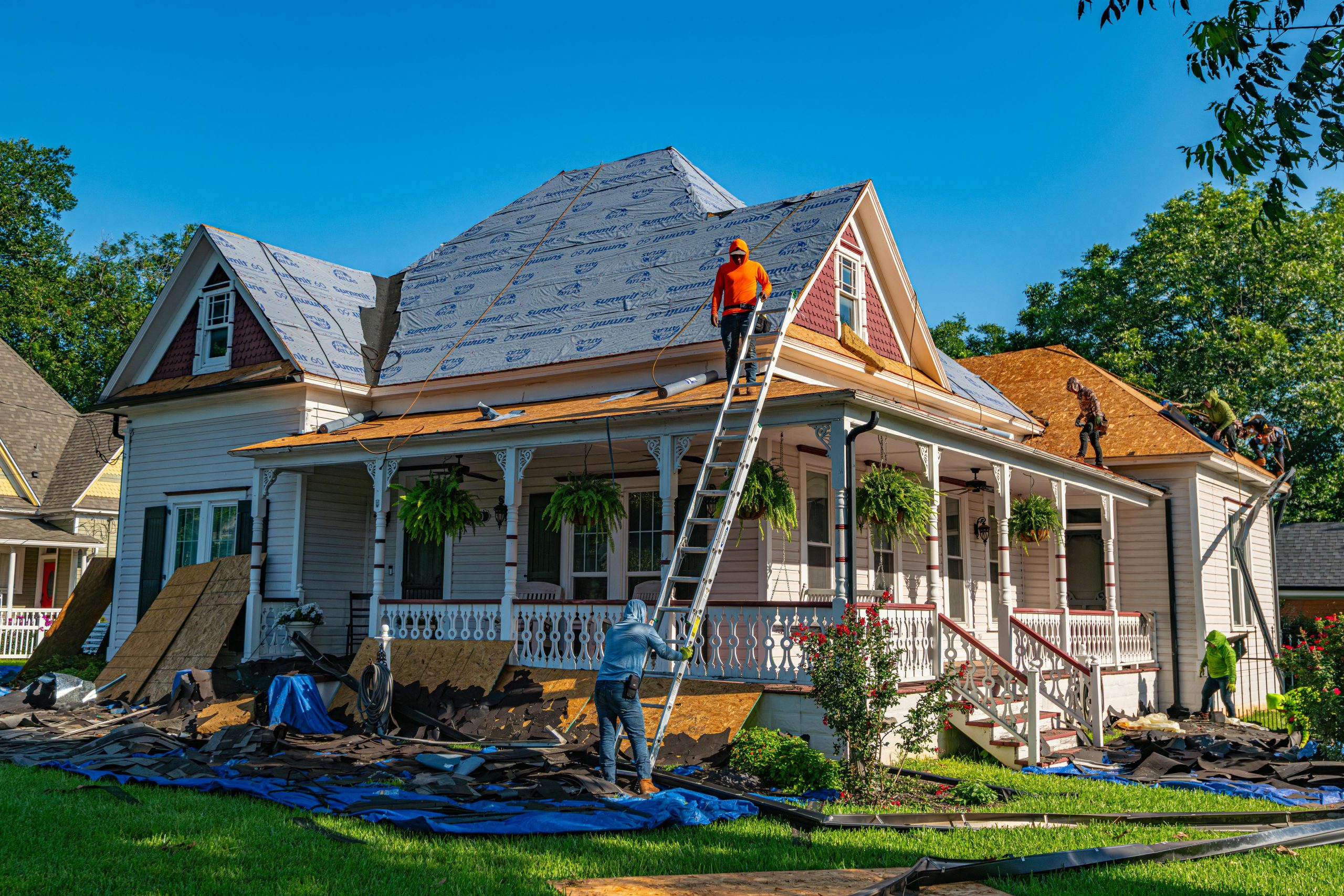
If roof decking is exposed during a repair, it is often wise to inspect and replace compromised underlayment as well. Synthetic underlayments have become common because they resist tearing and handle jobsite exposure better than traditional felt. That said, felt still has a place in some repairs, particularly where matching the breathability or thickness of an older assembly matters.
Ice and water shield is especially valuable in leak-prone areas such as eaves, valleys, around chimneys, and beneath skylights. In cold climates, it can be the difference between a routine repair and another winter leak caused by ice damming. In milder climates, it still adds security in areas where water tends to back up or move sideways under the main roofing material.
The key is restraint and judgment. More membrane is not automatically better. Trapping moisture in the wrong assembly can create deck problems over time. Materials should be layered to shed water and allow the roof to behave as intended.
Sealants have a role, but they should not lead the repair
Sealants are useful, and every experienced roofer uses them. The trouble starts when they become the main strategy. A durable repair is usually mechanical first and chemical second. In other words, laps, flashings, fasteners, and overlaps should do most of the work. Sealant should reinforce vulnerable points, not act as the entire water-management plan.
Different sealants suit different applications. Polyurethane and high-grade tripolymer sealants often perform better than basic asphalt mastics in exposed conditions, but they still need clean surfaces, the right temperature range, and reasonable joint design. Silicone works well in some flashing and metal applications, though not universally. Roof cements can help in specific repairs, but they weather poorly when spread too broadly or relied on as a permanent exposed patch.
One practical rule has saved many owners from repeat problems: if a repair estimate seems to solve everything with caulk, ask more questions.
Fasteners are small, but they matter
A roof repair can fail because of something as simple as the wrong nail. Nails and screws need the right length, corrosion resistance, head type, and placement. This is easy to overlook because fasteners disappear once the repair is complete, but they directly affect wind resistance, watertightness, and material life.
On asphalt shingles, the difference between correct and incorrect nail placement can determine whether the shingle seals properly and whether it stays put in high wind. On metal roofs, screw quality is equally important. Cheap screws with poor washers often fail before the panel does. Once the washer degrades or the screw backs out, leaks begin around what should have been the most secure point in the assembly.
For coastal homes or structures exposed to persistent moisture, stainless steel or high-quality coated fasteners are often worth the added cost. It is a small line item compared with the labor involved in reopening the same repair later.
When better materials are worth the premium
Not every repair calls for top-tier materials across the board. Sometimes a modest outbuilding needs a straightforward, cost-conscious fix. Sometimes a roof is near the end of its service life and the owner is trying to get a few more seasons before a planned replacement. Context matters.
Still, there are situations where paying more for better materials makes clear sense. Penetrations, valleys, skylights, and chimney areas are common examples because they are natural weak points. If you are already opening up one of these areas, using higher-grade flashing, self-adhered membrane, or longer-lasting fasteners can reduce the chance of another failure where labor access is difficult and expensive.
The same logic applies when repairs are being done on premium roofing systems. It rarely makes sense to protect a slate roof with bargain flashing or to patch a standing seam metal roof with improvised materials. The repair should respect the lifespan and performance level of the roof it is preserving.
A useful way to think about it is cost per year, not just cost today. If a better material adds a few hundred dollars but extends the repair life by several years, it is usually the cheaper choice in real terms.
Warning signs that material selection is being handled poorly
Not every homeowner wants to study roof assemblies, and that is fine. You do not need to become a roofer to spot red flags. A few patterns tend to show up when material choices are weak or careless:
- The proposal is vague about what materials will actually be used.
- The repair relies heavily on coating, tar, or caulk without replacing failed components.
- New materials are clearly incompatible with the existing roof type.
- Flashing details are skipped or treated as optional.
- No one asks about climate exposure, roof age, or prior leak history.
A solid contractor usually explains not just what will be installed, but why those materials fit that specific roof.
Repairs on aging roofs require honest judgment
One of the hardest conversations in roof work is telling someone that the repair they want is technically possible but financially questionable. Material selection cannot solve every problem. If the surrounding roof is brittle, heavily worn, or layered over hidden damage, even excellent repair materials may only buy limited time.
This is common with older asphalt roofs. Removing a few damaged shingles can crack adjacent ones. Matching becomes difficult. Seal strips may not reactivate well. In that case, a repair can still be worthwhile, but expectations need to be realistic. The right materials may help stabilize the area and stop active leakage, yet the roof as a whole may still be approaching replacement.
That does not make the repair a mistake. It simply means material choice should align with the remaining life of the roof. There is little value in installing premium long-life accessories into a failing field of shingles unless the goal is to bridge to a near-term replacement strategically.
Questions worth asking before approving the work
If you want a repair that lasts, it helps to ask a few precise questions. Good contractors usually welcome them, because clear expectations lead to better outcomes.
- What exact roofing material and accessory products are you matching or substituting?
- Will you replace flashing and underlayment in the affected area, or only the visible roof covering?
- Are the fasteners and metals appropriate for my climate and existing roof type?
- How will this repair accommodate movement, drainage, and water runoff?
- Is this a long-term repair, or a temporary measure on an aging roof?
The answers tell you a great deal. Experienced professionals speak in specifics. They talk about compatibility, not just coverage.
Workmanship and material choice are inseparable
It is tempting to separate product quality from installation quality, but on roofs the two are tied together. A premium membrane welded poorly will fail. An average shingle installed with proper flashing and sound fastening can perform admirably. The right material in the wrong hands is still the wrong repair.
That is why the best Roof Repairs begin with diagnosis, not product selection. Once the source of failure is understood, material choice becomes much more precise. The contractor can decide whether the priority is flexibility, corrosion resistance, impact resistance, UV stability, visual matching, or water-sealing redundancy. Those decisions only make sense when they are grounded in the actual cause of the leak or damage.
It also helps to remember that roofing is local. The best repair detail for a snowy inland town may differ from the best detail for a humid coastal city. Experience in your region matters because it teaches contractors how materials behave after years of real exposure, not just how they look in a product brochure.
The repair should fit the roof’s future
Some repairs are meant to preserve a roof for another decade. Others are meant to carry it safely for two or three years until a renovation or full replacement makes sense. There is no shame in either approach, as long as everyone is honest about the objective.
When the goal is long-term performance, material selection should prioritize compatibility, flashing quality, underlayment integrity, and climate durability. When the goal is short-term stabilization, materials still need to be appropriate, but the spending strategy may be different. What matters is that the repair is intentional rather than improvised.
A lasting roof repair is rarely the product of one miracle coating or one expensive component. It comes from a series of sound choices. Match the roof type. Respect the climate. Use flashings and fasteners that belong there. Replace what has actually failed. Avoid shortcuts disguised as efficiency. If the materials are chosen with care, the repair has a good chance of disappearing into the roof, which is exactly what you want. The best repair is the one you stop thinking about because it simply holds.
Royalty Exteriors
151 NJ-10 Suite 103A
Succasunna, NJ 07876, United States
+1 973-333-7234
FAQ About Roof Repairs
Can you fix a roof leak without replacing the whole roof in Succasunna,NJ?
Often, a localized leak can be repaired without replacing the entire roof, depending on its cause and the condition of the surrounding materials. Damaged shingles, flashing, or a roof penetration may need targeted work. Royalty Exteriors offers roof repairs for leaks, storm damage, and shingle issues. An inspection is needed to determine the appropriate scope.
What is considered a minor roof leak?
A leak may be considered minor when the damage is limited to a small area and the surrounding roofing remains sound. A small ceiling stain alone does not establish the extent of the problem because water can travel before becoming visible. Have the source and any concealed damage assessed promptly.
Is it better to repair or replace a leaky roof?
The decision depends on the roof's age, overall condition, leak source, extent of damage, and history of previous repairs. A localized problem on an otherwise serviceable roof may be suitable for repair. Widespread deterioration or recurring leaks may justify considering replacement. Ask for an inspection and a written explanation of the recommended work before deciding.